What is Group B Strep?
Group B strep, or GBS, is a type of bacteria. It often lives in the body without causing harm. However, during pregnancy, it can be important. Many healthy adults carry GBS in their intestines or lower genital tract. Usually, it does not make adults sick. But, if a pregnant woman carries GBS, her baby can get infected during birth. This is why Group B strep screening is so important for pregnancy safety and protecting your baby from infection.
Why is Group B Strep Screening Important During Pregnancy?
Screening for Group B strep helps keep your baby safe. If GBS passes to the baby during delivery, it can cause serious illness. For example, babies can develop infections like pneumonia, sepsis, or meningitis. These conditions can be life-threatening. Therefore, knowing if you carry GBS lets your doctor take steps to protect your baby. According to the CDC, screening and treatment have greatly reduced GBS infections in newborns.
How is Group B Strep Screening Done?
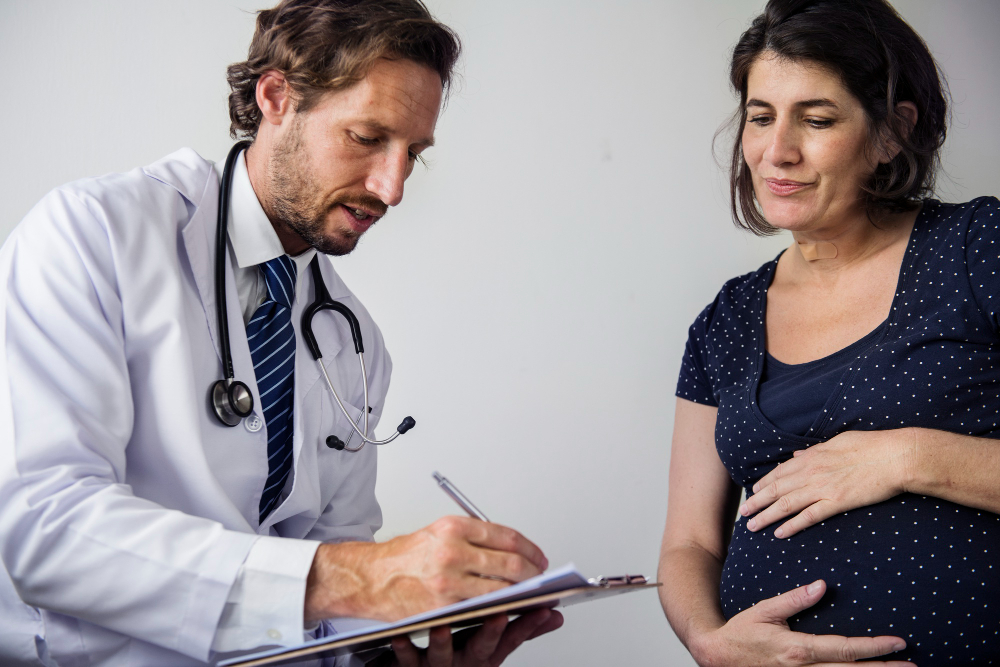
Doctors usually do the GBS test during pregnancy between weeks 36 and 37. The test is simple and quick. First, your doctor will use a swab to collect samples from your vagina and rectum. This process is not painful, but it may feel a little uncomfortable. Afterward, the samples go to a lab for testing. You will get the results in a few days. If you test positive, your doctor will discuss the next steps.
Risks of Not Screening for Group B Strep
If you skip Group B strep screening, your baby may face higher risks. Without screening, doctors may not know if your baby needs protection. Babies exposed to GBS during birth can develop:
These infections can be very serious. In rare cases, they can lead to long-term health problems or even death. Because of these risks, screening is a key part of pregnancy safety.
What Happens if You Test Positive?
If your GBS test during pregnancy is positive, do not worry. Many women carry GBS, and it does not mean you are sick. However, your doctor will plan to give you antibiotics during labor. This treatment helps prevent the bacteria from passing to your baby. The antibiotics are given through an IV, usually penicillin. This step is very effective at protecting your baby from infection.
Prevention and Safety Tips for Expectant Mothers
There are steps you can take to help keep your baby safe:
By following these tips, you can help lower your baby’s risk of infection.
Frequently Asked Questions
In summary, Group B strep screening is a simple but crucial step to ensure pregnancy safety. It helps protect your baby from potential infections and serious health concerns. For more information, visit the CDC or speak with your doctor.
Consult the specialists at Lakshmi Nursing Home for personalised advice on Group B strep screening and to ensure the safety and well-being of both you and your baby.